

Ireland is a place we’ve wanted to travel for many years, and finally everything just fell into place for us to visit. And not just visit, but do it in style…as digital nomads living van life in Ireland!
Ireland lived up to its reputation of having dramatic coastlines, stunning rolling green hills, tiny villages, and plenty of places to stop and take in the views.
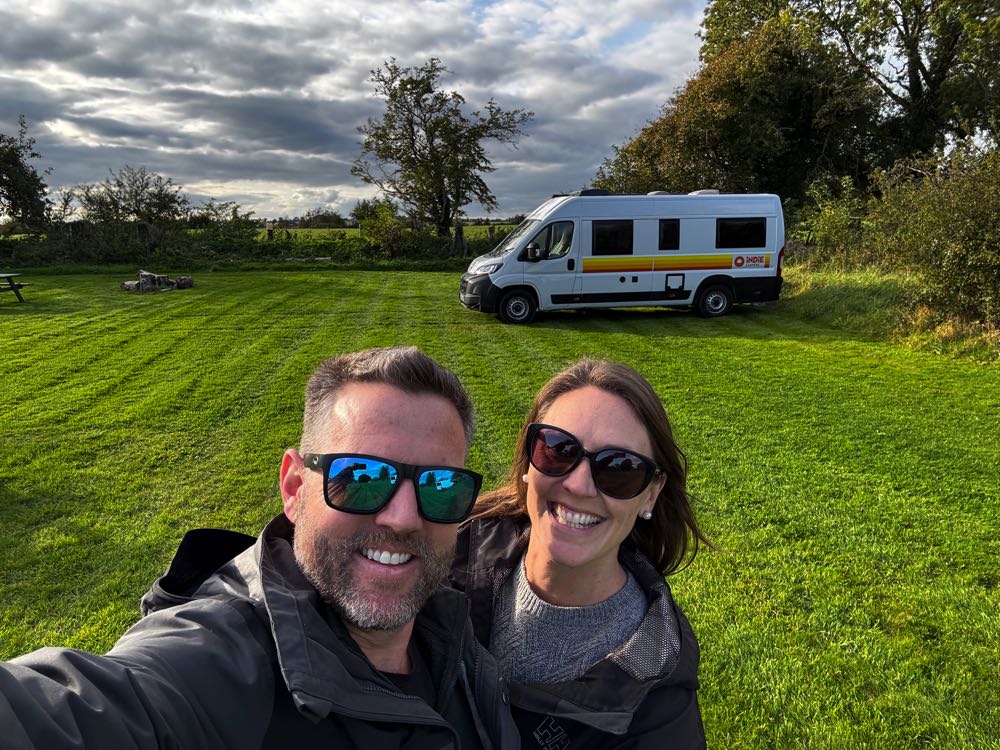
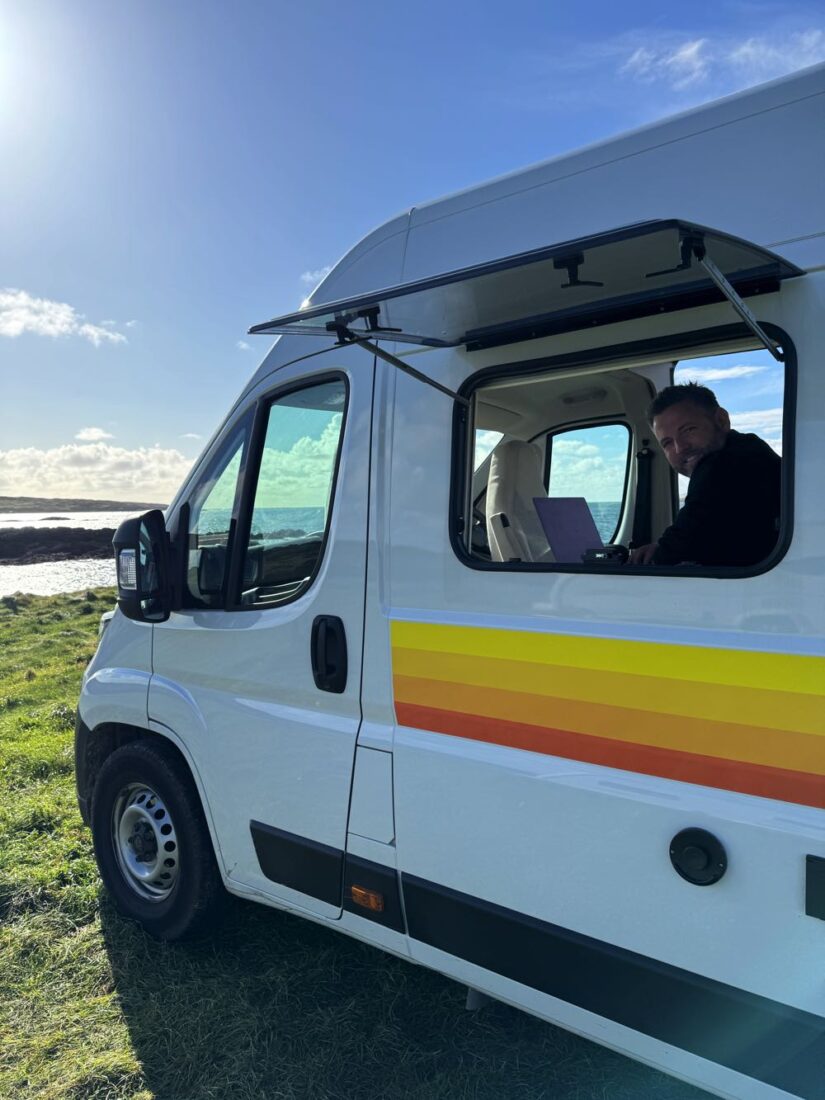
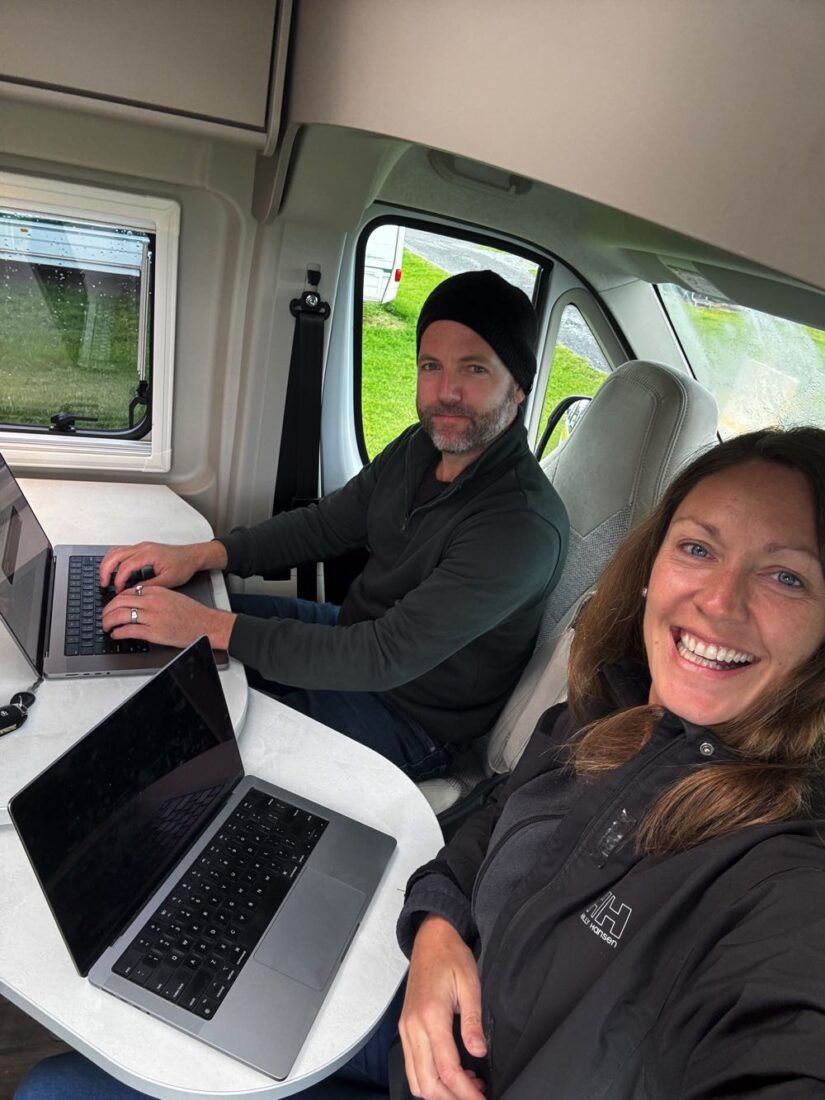
But the van really brought an extra element to the country. We could somewhat chase the weather, be spontaneous, work from the comfortable table, and stay connected by tethering our phones for wifi.
In this guide, I’m going to walk you through how to pick a van, the company we went with, the exact van we ended up with, and some tips we learned along the way so you can plan a better digital nomad trip around Ireland. See also: Best Jobs for Van Life
Renting a Campervan in Ireland with Indie Campers
Full disclosure, we rented with Indie Campers on this trip because they reached out to us and asked us if we’d like to have a campervan trip in Ireland and share our experience with our audience. I mean… who’s going to say no to that?
But, we’ve actually rented with them before in Portugal and we know they’re a great company, so we were excited to go with them anyway.
Even though this was a sponsored trip, we did the booking process the same as you would if you rented – so we got the whole experience. It was super simple to book the van right on their website and there are lots of add-ons as well.
The vans are all modern and well-maintained and the pickup and drop-off went really smoothly. It only took about 30 minutes from the time we arrived to drive away and the guy who checked us in gave us a really thorough walkthrough of the van and its features.
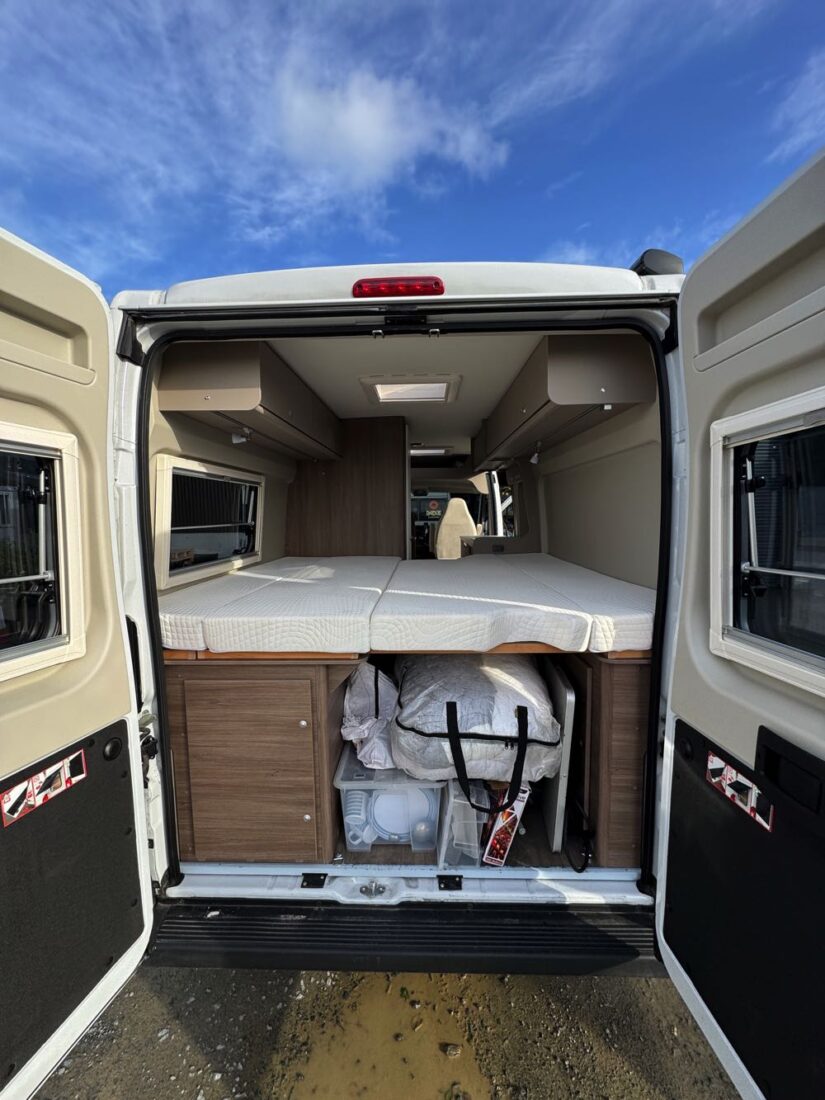
We went with the Active Long model. It was spacious, super comfortable, and it had really nice finishes. We loved that it had a proper bed that was pretty comfy (don’t expect a king size pillow top though) and a great kitchen area, plenty of storage and central heat for the cool Irish nights.
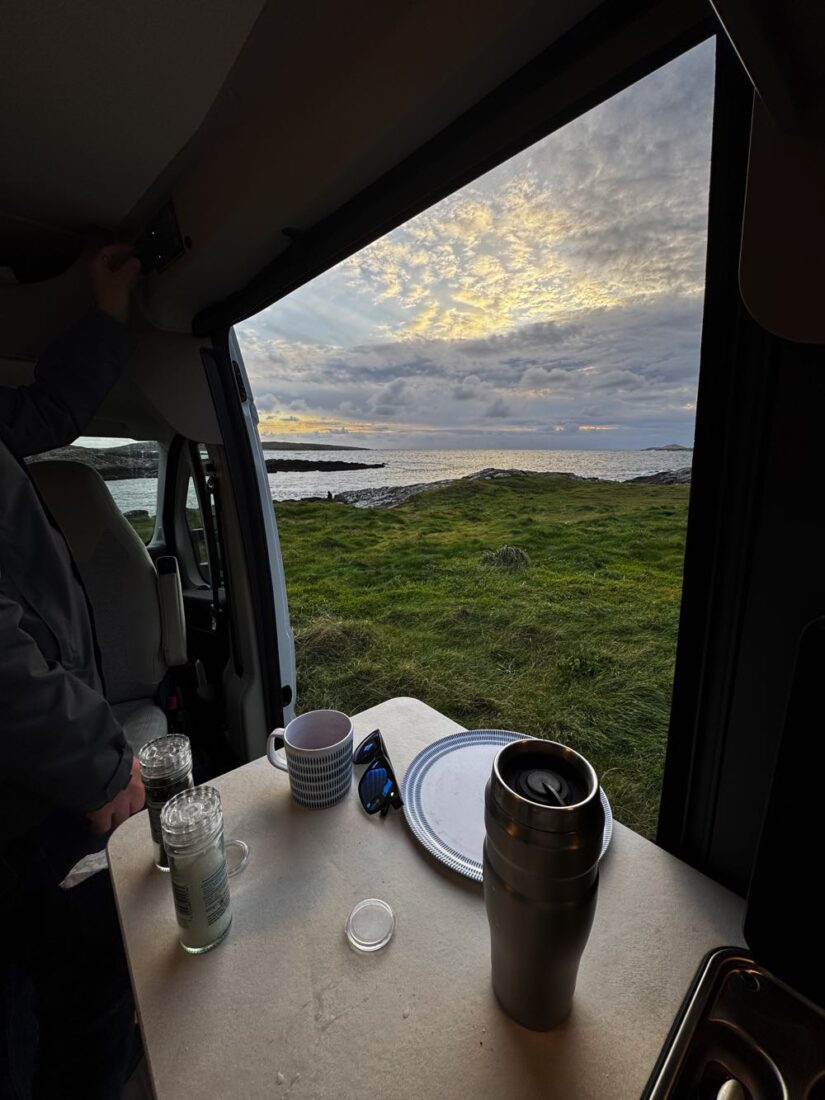
There was also a surprisingly comfortable workspace thanks to the seats that swivel around to a pullout table.
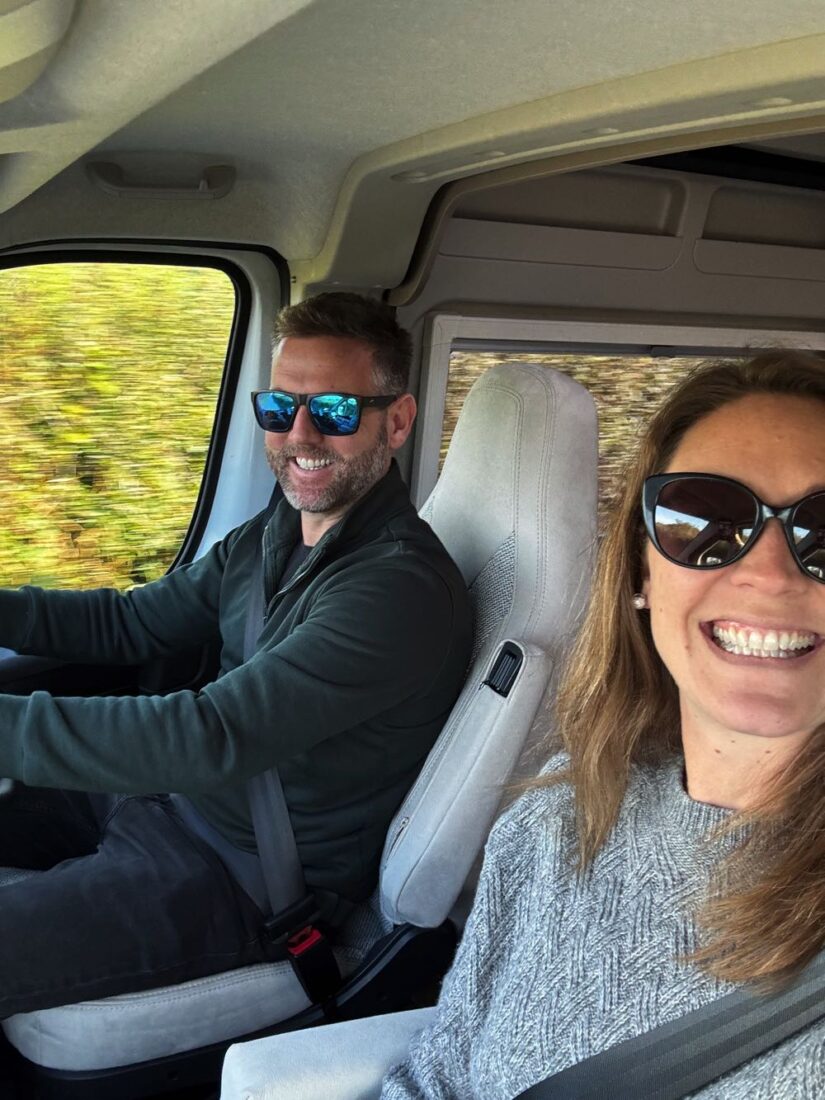
Also, if you’re worried about a campervan like this being too big for roads in Ireland… it really wasn’t. If you’ve driven on narrow roads before, you’ll be fine. And if you haven’t, it’ll just take a few hours to get used to it.
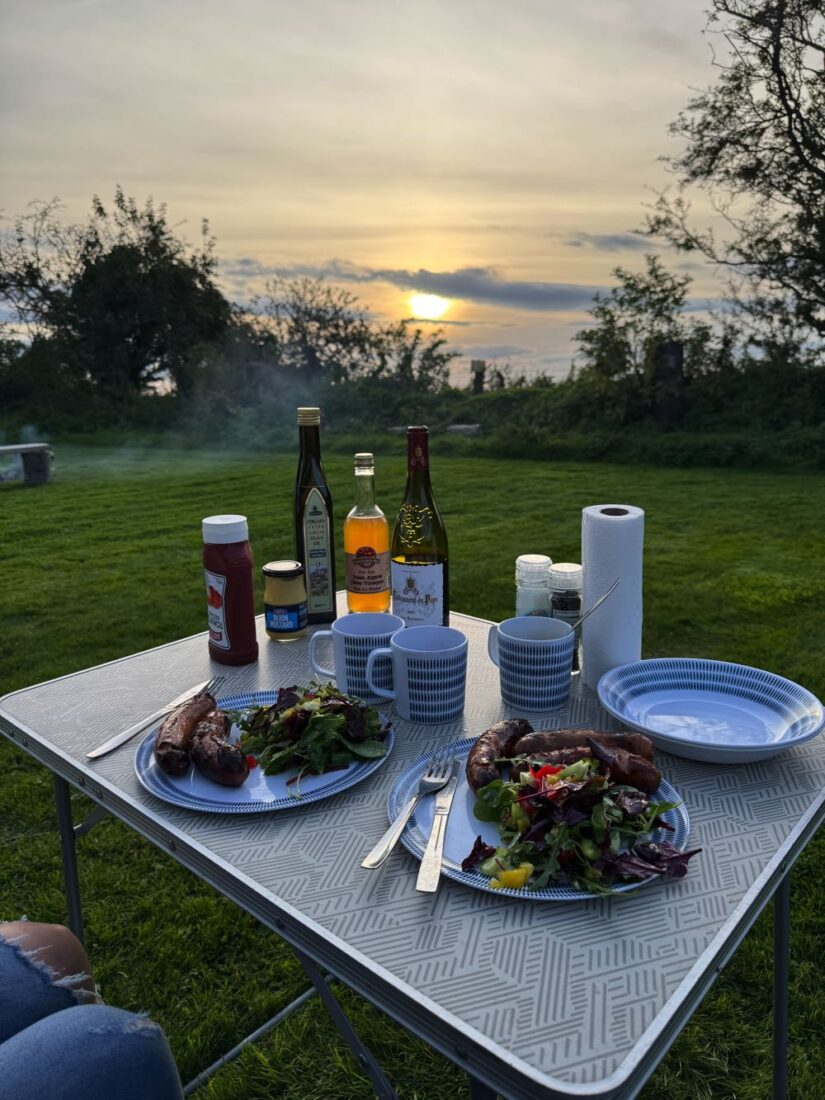
If I were to give a critique of the campervan experience, it would be that the pots and pans and utensils were pretty minimal and it was a bit annoying having them in a big tupperware bin in the back. It would be better if they were put in drawers with some kind of mobile home shelving to keep them from bouncing around.
Where to Go: Our 10-Day Digital Nomad Route Through Ireland
For this trip, we didn’t really have a strict itinerary, which is really the beauty of van life if you ask me. We actually booked this trip pretty last minute, so while we had a rough idea of where we were going, we still decided day by day where we’d go and sleep for the night.
We started in Dublin for a night (we had a couple days in Dublin at the end of the trip), before picking up the van the next day. When we got the van, we headed south to Kilkenny, then worked our way through Nenagh, Lorrha, and along the coast to Galway.
From Galway, we drove up to Connemara National Park and that was one of the major highlights of the trip.
There were lots of spots that we could’ve parked the van for the night and wild camped without anyone really noticing, but we decided on a beautiful campsite called Clifden Eco Beach Camping because it was too nice to pass up.
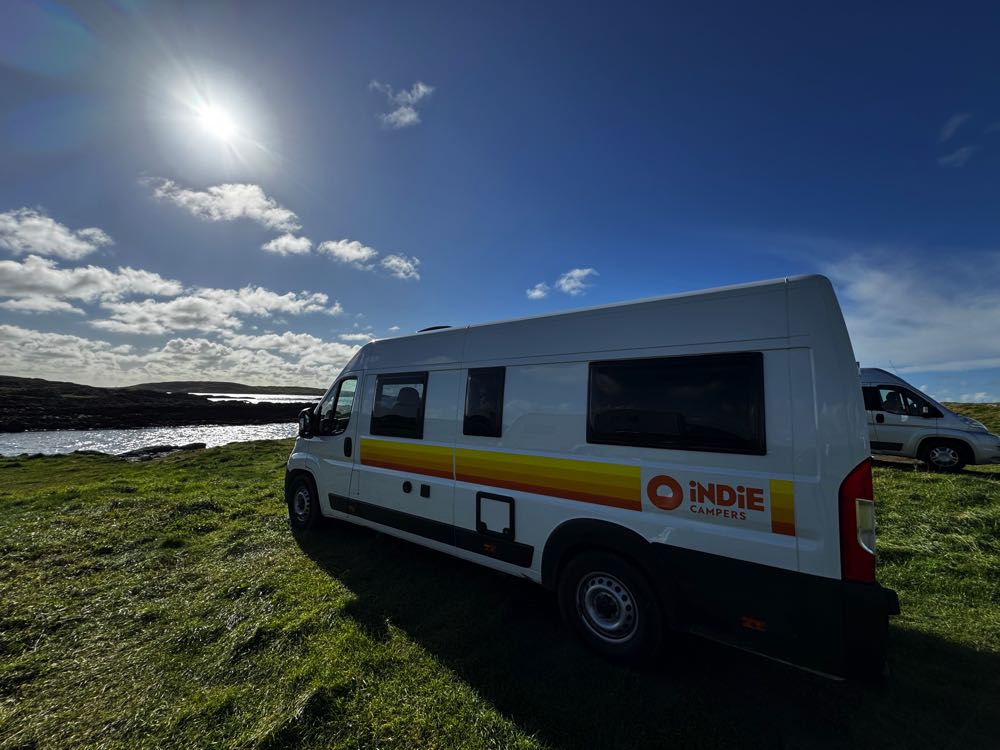
After Connemara in the North, we headed south down to Doolin where we checked out the famous Cliffs of Moher, and then southwest to Dingle, then spent a few days visiting Killarney and the Ring of Kerry.
We finished the trip by checking out Cobh and Blarney Castle before heading back to Dublin. This was a pretty extensive trip of the country, although we didn’t see Northern Ireland or the east coast, but it was easily done in 10 days.
10 Essential Tips for Digital Nomads Doing Van Life in Ireland
Before we did this trip, we weren’t sure how well van life and remote work would pair together in Ireland… especially in October.
But it turned out that it worked beautifully, but there were a few things we learned along the way. If you’ve ever wanted to travel around Ireland while working from a campervan, hopefully these will help you out.
1. Sort your phone plan out before you leave Dublin.
Ireland’s coverage is fine in cities, but once you head toward Connemara or the Wild Atlantic Way it can flip from full bars to zero. Get a local SIM or eSIM right at the start so you’re not hunting for a signal when you actually need it.
We used our eSIM from our Revolut Account, and it was decent, but we probably would’ve had better coverage with a local SIM. If you’re traveling as a couple, both of you could get an eSIM from a different company.
We didn’t think of it until near the end of the trip, but once we varied our eSIMs it usually meant that at least one of us always had coverage.
2. Use rainy days as your workdays.
Irish weather changes constantly. We eventually learned to live with the rain… work when it pours, explore when it isn’t. It keeps the whole trip relaxed instead of trying to force a plan.
3. Expect to work from the van more than you think.
We assumed we’d be in cafés all the time, but most days we worked right from the van because the views were better and we actually got more done. The swivel seats helped, and the quiet mornings were great to get some work done.
We also had to shoot some reels on this trip, which would’ve been OK but the wind made it hard, even with the good mics we have! If you’re shooting videos, the inside of the van on a sunny day is actually quite good acoustically and the lighting was great too.
4. Charge the van battery anytime you pay for a campsite.
If you’re at a campsite with electricity, take advantage of it. Charge everything. The van batteries, laptops, cameras, power banks… all of it. You never know when the next few nights might be wild camping or when a campsite won’t have hookups.
5. Empty greywater and blackwater whenever you have the chance.
Seriously. Do it even if you’re only half full. There were a few times when we said we’d just wait til the next site and then the next couple of sites didn’t have the facilities so we were worried we’d fill up or run out. Not a great feeling.
6. Bring your own pillows and bedding.
The Indie Campers bedding works, but it’s not exactly luxury. I never travel without my pillow and a bedsheet and on this trip I was especially glad to have it. The blankets Indie gives you are warm and that makes a big difference on cold nights, but those pillows weren’t great.
7. Bring a powerbank that actually has power.
Between charging laptops, cameras, phones, and hotspots, having an extra battery took all the pressure off the van’s system. If you have a powerbank, bring it.
8. Download everything before leaving bigger towns.
Maps, Netflix, playlists, work files… all of it. Once you get into the countryside, the signal can vanish without warning. To download Google Maps, just hover over all of Ireland and type “OK Maps” into the search and it will download it to your phone so you can use it offline.
9. Mix campsites with some wild camping
This is something we didn’t do, but we kind of wished we did. We spent quite a bit of time in towns and villages enjoying the pubs and music, so we just stayed at nearby campsites.
But next time I’d love to go back and do a fishing trip around Ireland where I would wild camp about 50% of the time.
If you read up on it, it says that it’s not allowed in Ireland, but if you’re respectful and you clean up after yourself and leave early in the morning, nobody would bother you. At least that’s what the Irish people kept telling us.
10. Keep the van tidy from day one.
A tiny space gets messy fast. Once everything had a home, life got easier. Before that… we were constantly looking for keys, chargers, socks, everything.
11. Definitely book the outdoor setup add-on.
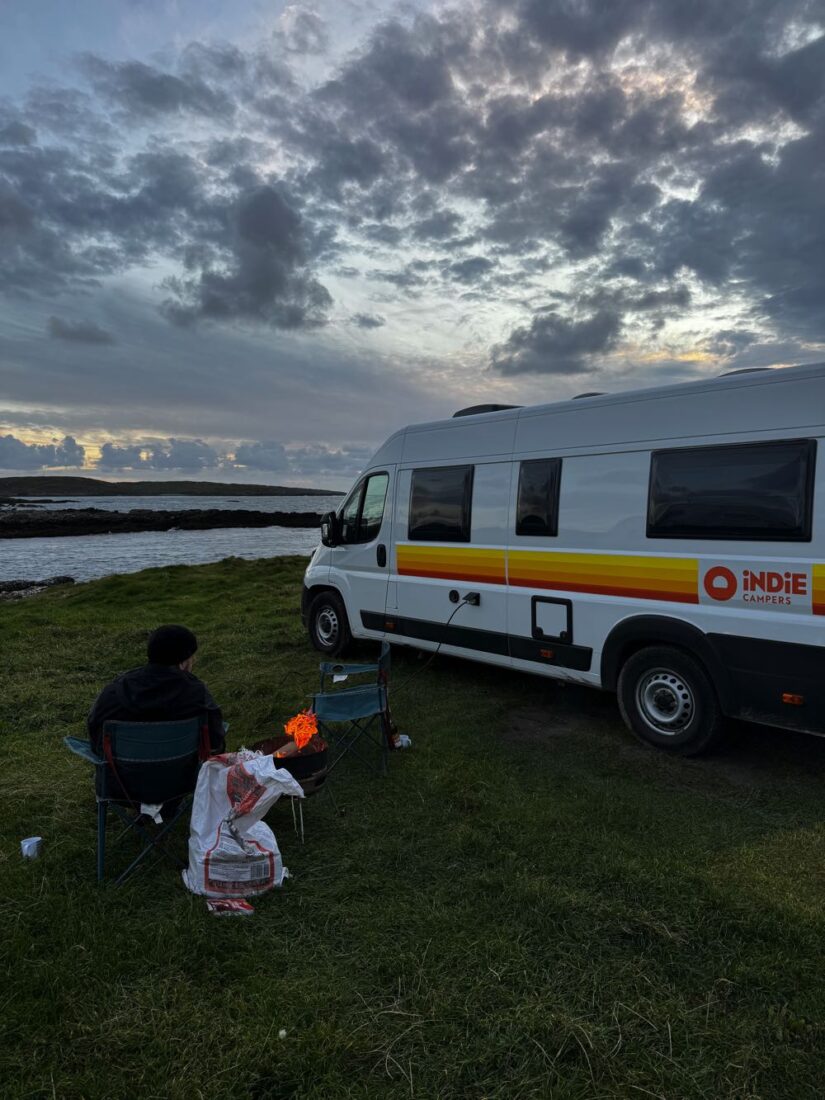
This comes with just two camp chairs and a lightweight table but it makes a big difference on the sunny days when you don’t wanna be in the van all the time. Every time it was sunny (and not too windy) we’d eat on our outdoor table set. Indie has them as add-ons and they’re definitely worth it.
12. Keep a few “don’t move the van today” meals in the cupboard.
There were days when we found the perfect parking spot and didn’t want to move the van at all… not for groceries, not for anything. Having a couple of easy meals you can cook without running around hunting for shops makes those quiet workdays possible.
13. Build your work hours around your driving hours.
Some driving days take more energy than you expect, especially on Ireland’s narrow country roads. On those days, we’d keep laptop time light and save the deeper work for days when we weren’t covering many kilometres.
It’s a lot for the brain to handle if you’re staring at a road and dodging other cars for 5 hours, and then you try to work for 5 hours!
Costs of Van Life in Ireland
Ireland isn’t cheap, and that was one of the reasons the campervan made sense. Hotels in the popular spots can get pricey fast, so having our bed and kitchen with us took a lot of the sting out of the trip.
We looked up some little B&Bs and stuff on the way and they were around $250 per night for a basic small room, even though we were there in the shoulder season.
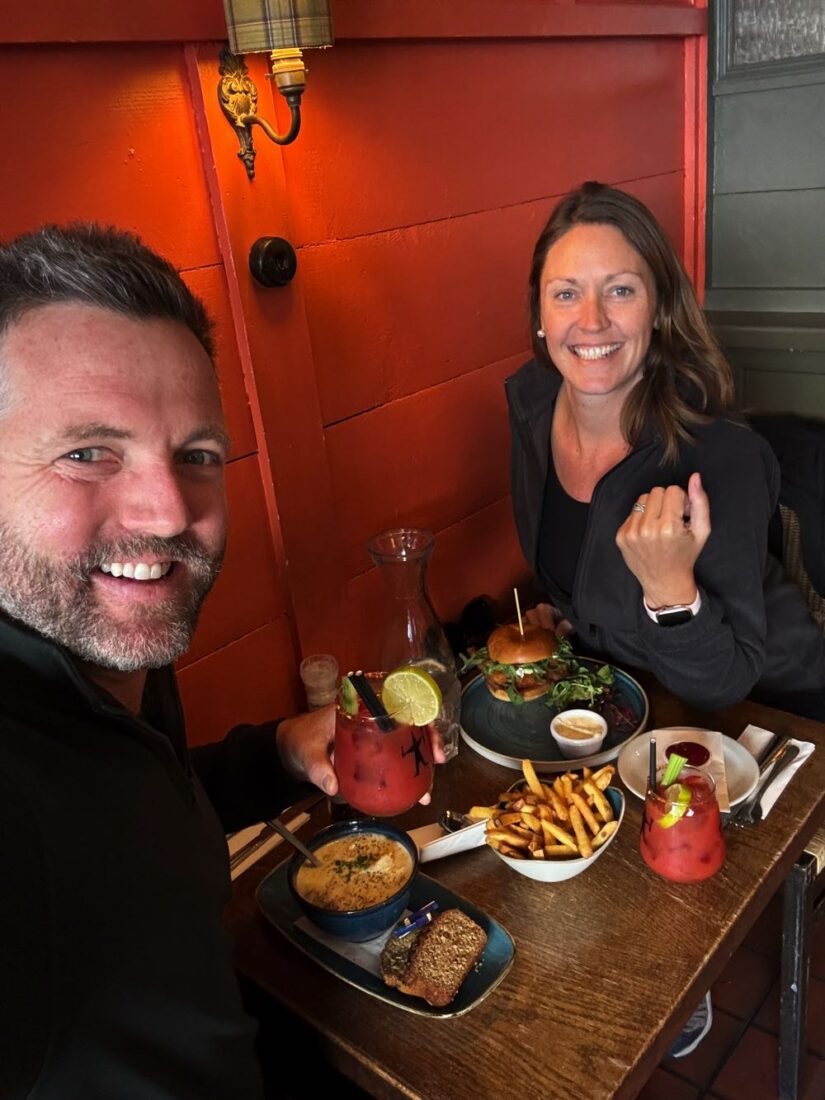
The van rental is the big expense, obviously, but it saves you on the accommodation and some meals in. Mind you, we ate out pretty much every meal still because we just love the pubs and restaurants in Ireland and we got to meet people.
Fuel costs were OK. We filled up the van twice for around €140 each time in 10 days. Ireland looks small until you start following every scenic road and taking detours locals suggest. We drove way more than expected, but it was worth it for the price of diesel for sure.
Campsites were usually between 35 and 46 euros for a spot with electricity, showers, and somewhere to dump the tanks.
There were a few small extras…tolls, a top-up of AddBlue, a parking fee here and there. Nothing major. Overall, the van made Ireland a lot more affordable than it would’ve been hopping between hotels and restaurants every day.
Where to Sleep With a Campervan in Ireland
One thing we learned pretty quickly is that Ireland doesn’t have the same wild camping culture as places like the US or Canada.
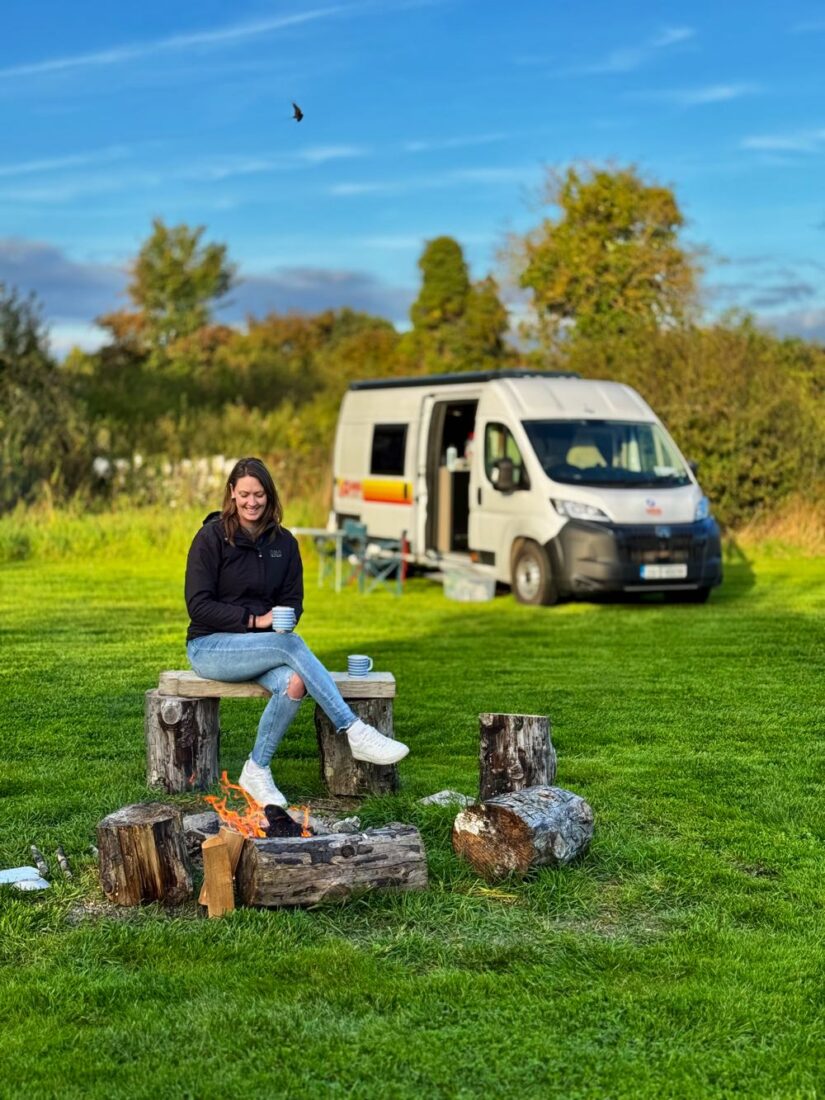
You can find the odd quiet pull-off with a great view, but they’re not everywhere, and a lot of coastal spots have signs asking campervans not to stay overnight. Because of that, we ended up mixing proper campsites with a few “found it at the last minute” places.
Campsites were easy enough to find and most had everything we needed… electricity, hot showers, a spot to dump grey and black water, and usually a little kitchen sink area.
Overall the quality was good at all of them and the owners were always super friendly (is there a grumpy Irish person anywhere?).
We used Park4Night a lot. It isn’t perfect, but it saved us more than once when we were arriving somewhere late and just needed a place to park without driving around in circles.
The only place we really considered wild camping was around Connemara, but we decided against it just because there were such beautiful campsites up there.
Still, the best campsites in Ireland are a grass field with a stunning view, and the worst are just cement parking lots crammed with campers. It’s more about using the campsite as a place to sleep and to explore from there.
Digital Nomad Essentials to Pack for Van Life in Ireland
Before this trip, we thought the van would have pretty much everything we needed. It has quite a bit when you book the add-ons, but of course it doesn’t have everything a digital nomad would need.
There are a few things we were really glad we brought, and a few we wish we’d thought of earlier. If you’re planning to work from the road, these are the items that actually made a difference for us and kept the trip running smoothly.
1. A real power bank (not a tiny one)
If you’re staying in paid parking and charging the van every 2-3 nights, this wouldn’t matter, but if you’re wild camping, you’ll definitely want a large power bank. You’ll end up using more power than you think. A proper power bank that can charge a laptop is worth bringing from home.
2. Your own pillows and bedding
Like I said earlier, the rental stuff works, but it’s not great. At the very least, bring your own pillow if you can, or pick one up in Ireland for the trip.
3. An extra long charging cable
Outlets in vans are never where you want them to be. The van we got was pretty well set up, but I know they’re not all like that. A long cable saves you from working in awkward positions.
4. A small extension cord or power strip
If you’re plugged into campsite electricity, this lets you charge everything at once instead of messing around with different outlets.
5. Phone holder for the dashboard
You’ll rely on Google Maps constantly, and holding your phone or propping it somewhere gets annoying fast. Surprisingly, the Active Long in Ireland didn’t have any screen in the dash so… no Apple CarPlay. Luckily we still travel with phone holders.
6. A waterproof bag for your electronics
Ireland’s weather turns quickly. If you’re walking to a pub in the rain or hopping out for a hike, this keeps your gear safe. I love YETI for waterproof bags. I didn’t bring mine on this trip, but it would’ve been good if I had to take my gear out.
7. Travel-sized kettle or an easy coffee setup
The van has a stove, and it comes with a Moka Pot, but if you’re not used to making coffee in one of those, then having your own quick coffee setup makes mornings inside the van a lot smoother.
8. Travel Power Adaptor
Not all vans will have multi-plugs. If you’re coming from a country that doesn’t use EU style plugins, then bring your own.
9. A second SIM or eSIM
Coverage can jump around outside towns. Having a backup network saved us more than once.
10. A small, lightweight laptop stand
This is something we forgot but would’ve been great, especially for a more extended campervan trip in Ireland. If you’re going to be working a lot, then it’s always nice to look up rather than down at your screen. The table is comfortable, but it’s lower than most kitchen tables, so a stand would definitely be a bonus.
FAQs About Van Life in Ireland
Is it hard to drive a big campervan in Ireland?
People always say the roads in Ireland are super narrow, but even on The Ring of Kerry, we passed big buses in our campervan and had no issue. Not once did I even have to back up to give space.
Can you just pull over and sleep anywhere?
Sometimes. We found a few quiet spots that felt totally fine, but it’s not a country where you can count on wild camping every night. Campsites ended up being our base most of the time.
Do you need to book campsites?
We didn’t book ahead at all in September/October. In summer, we’d probably plan a bit more, but shoulder season was wide open. Sometimes it was just us and one other camper in the entire site.
Is the WiFi good enough to work?
In towns, yes. Out in the countryside, it comes and goes. Between our own data, having 2 eSims, and the campsites wifi, we always managed.
Does it get cold at night?
It can. Our van had heating, which made a huge difference. And it wasn’t just a fan heater, it was central heat! If you come in October, you could live with lots of bedding (we saw some campers doing it), but it’s way more comfortable to get a van with heat.
Any special license needed?
Our regular licenses were enough.
Is it safe?
We never felt unsafe. Campsites were quiet, and the few rural spots we stayed in felt relaxed. There’s always security at the campsites as far as we could tell and Ireland is pretty safe in general I think, especially outside of Dublin.
Final Thoughts on Campervan Life in Ireland as Digital Nomads
This was a trip we had wanted to do forever, and we would definitely recommend doing a campervan trip in Ireland, whether you’re a digital nomad or not.

For us remote workers, obviously there’s a bit more to think about logistically, but it was all doable. We pretty much always had signal and the van was super comfortable to live and work in.
IndieCampers was great to work with. The checkout and checkin was super quick and easy and honestly, this van was a lot newer than the van we had in Portugal, so we were really happy with it.
If you’ve ever thought of visiting Ireland, or you’ve been before but you did it the traditional way in hotels and B&Bs, I highly recommend trying it with a campervan. It was a blast and I don’t think it’ll be our last time doing Ireland this way.
I hope you found this post helpful. If you have any questions, shoot us an email from our Contact Page.
Happy travels!