

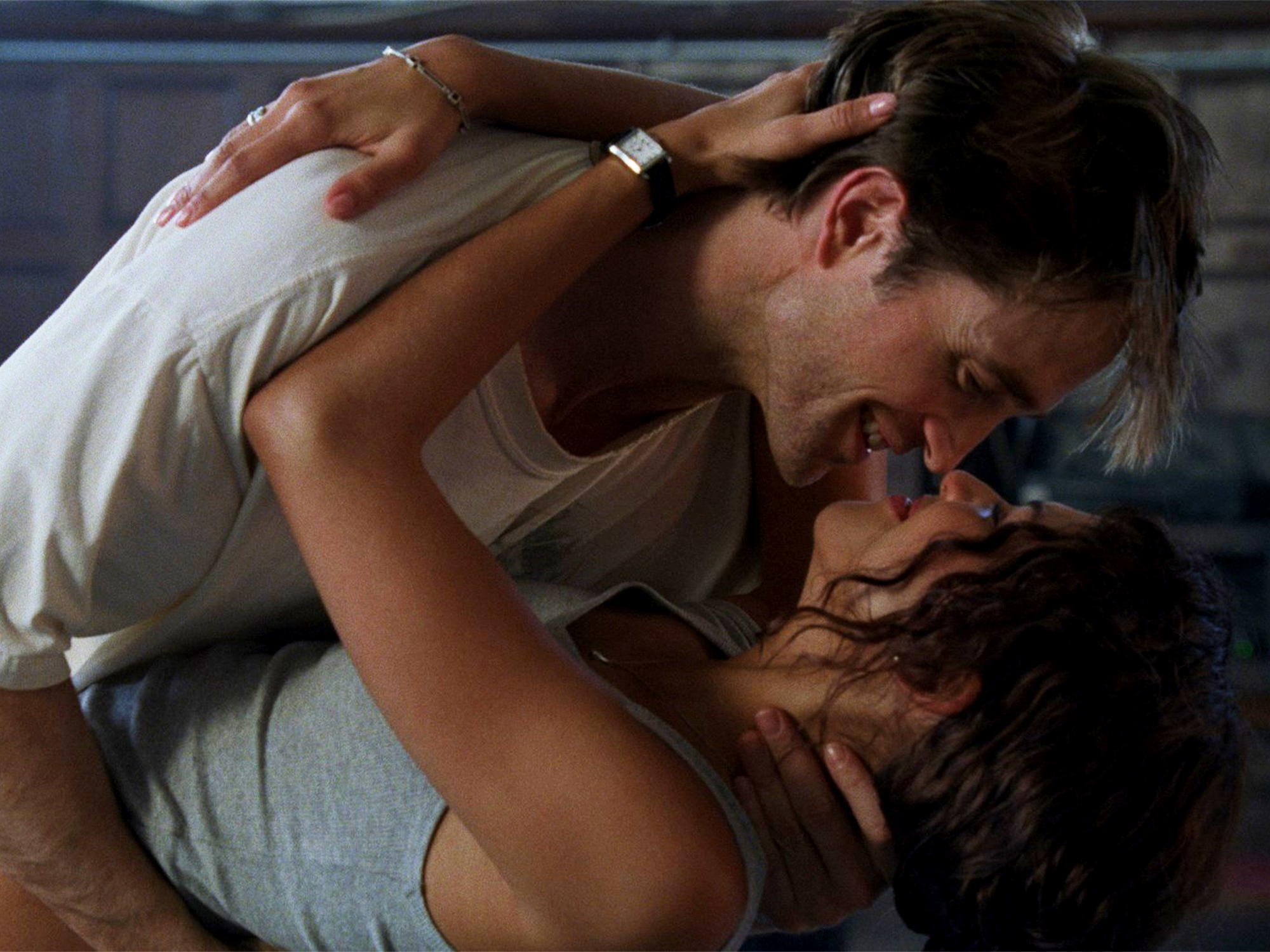
European cinema breeds provocateurs, from Pasolini to Haneke to Noé, Österlund and Radu Jude. Although separated by generations, nationalities and genres, these filmmakers never shy away from confronting their audience with the crass, controversial and/or achingly contemporary. Norwegian filmmaker Kristoffer Borgli is the latest in a long line of such raconteurs – his feature debut Sick of Myself was a ceaselessly cynical take on influencer culture, while Dream Scenario saw him take aim at “cancel culture” after a mild-mannered college professor becomes an accidental global antagonist. His much-hyped third feature is considerably higher profile thanks to the casting of Robert Pattinson and Zendaya – during shooting it seemed on-set candids were popping up on social media every day, and the “twist” in The Drama’s script was leaked on Reddit months before the film’s release. This sort of hullabaloo is befitting given the film’s title, and its hot-button subject matter (which the studio have repeatedly begged critics to not “spoil” in their reviews, despite the fact various gossip rags were publishing pearl-clutching screeds about it on the day of the US release).
Perhaps all this is canny marketing. A24 know how to sell their films, and positioning The Drama as unmissable due to its crazy twist might help get more bums on seats (if its two stars weren’t already a huge draw). The Drama wants you to believe it’s outrageous, but this unnecessary posturing gets in the way of a black comedy that is otherwise well-observed and amusing about the prickly nature of relationships, both sexual and platonic.
Get more Little White Lies
Emma (Zendaya) and Charlie (Robert Pattinson) are the happy couple – based in Cambridge, Massachusetts, he’s a gallery curator and she’s…in PR? (It’s never explained.) They’re middle class, beautiful and about to get married – everything’s going their way. Until, that is, at a wedding menu tasting with their couple friends Rachel (Alana Haim) and Mike (Mamoudou Athie), the quartet play a little game where they each reveal the worst thing they’ve ever done. Emma is the last to share, and her revelation about something she did as a 15-year-old (or rather, something she didn’t do, depending how you look at it) causes immediate tension. Rachel is furious, Mike is shocked, and Charlie reacts with a mixture of panic, revulsion and confusion. They’re a week out from the wedding and Emma’s revelation could torpedo their happily ever after.
Pattinson has found his stride with sweaty loser roles lately (see Mickey 17, Die My Love) and he’s wonderfully specific as the awkward, inherently non-confrontational and self-serious Charlie, entirely blindsided by Emma’s confession and opting to deal with it in the most ill-advised way possible: by avoiding the subject until it all erupts in a volcano of poorly-managed emotion. Comparatively Zendaya has less to do, and it feels as if the part was not intentionally written for a Black actress, because Borgli fails to address the racial tension in Charlie and Emma’s relationship and the racial implications of her past once it comes to light.
Undeniably the film would be more honest and interesting if it grappled with these issues; this feels like an instance of Borgli not being equipped to interrogate his own idea. Nevertheless Zendaya keeps pace with Pattinson. They’re a charming duo, and she captures the former-ugly-duckling spirit of Emma as well as her reluctance to address the pain of her past. It’s Alana Haim who gets to have the most fun as the moralising scold Rachel, so self-righteous she doesn’t notice her own racism – loudly stating her Black husband “grew up around guns” to his total bewilderment – and centering her own feelings in a situation much more complex than she’s willing to admit.
While the film falls short in grappling with the racial dynamics of Charlie and Emma’s relationship, it’s smarter concerning the notion of thought policing and the unique issue of gun violence in a country more willing to deal with the aftermath than prevention. Of course all this is easy to observe as a European outsider like Borgli, but the prickly tension between fantasy and reality in The Drama feels particularly well-judged, both in the relationship between Charlie and Emma and within Emma’s dark confession, and the cringe-inducing observations about human behaviour when confronted with uncomfortable truths make for a skin-crawlingly fun time. Certainly it feels like Borgli is growing as a filmmaker, even if his intention here is occasionally underserved by his ability.