

Conny Waters – AncientPages.com – A new interdisciplinary study offers the first detailed biomolecular and archaeological insights into the lives of people in Central Europe during the Late Bronze Age (ca. 1300–800 BCE), known as the Urnfield period, a time of significant cultural change, including the widespread adoption of cremation.
Cremation destroys biological material, making this period challenging for genetic and isotopic research. By studying rare inhumation burials from Germany, Czechia, and Poland, an international team provided new insights into ancestry, mobility, diet, physiological stress, and mortuary practices in Late Bronze Age communities.
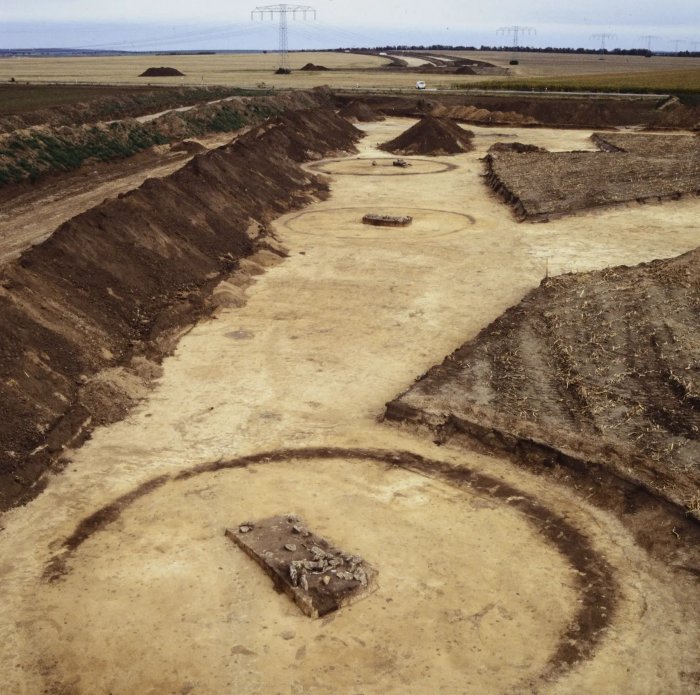
The study analyzed ancient DNA, stable oxygen and strontium isotopes, and osteoarchaeological data from non-cremated individuals, as well as strontium isotope data from cremated individuals at Kuckenburg and Esperstedt in Central Germany. These findings were compared with contemporaneous genetic data from neighboring regions to provide a broader regional context.
Adapting To Change During The Late Bronze Age
“This study allows us to see how people lived through change,” says Eleftheria Orfanou, PhD candidate at the Max Planck Institute for Evolutionary Anthropology in Leipzig and lead author of the study.
“The Late Bronze Age was not experienced as a single moment of change, but as a series of choices, about food and subsistence strategies, burial, and social relationships, made within communities that were closely connected to their landscapes but also to their neighbors”.
Genetic evidence from this study shows gradual, regionally varied changes in ancestry that occurred alongside established local traditions. In Central Germany, these changes appeared only in the later phases of the Late Bronze Age, indicating that communities engaged in broader networks of interaction, especially with regions south and southeast of the Danube.
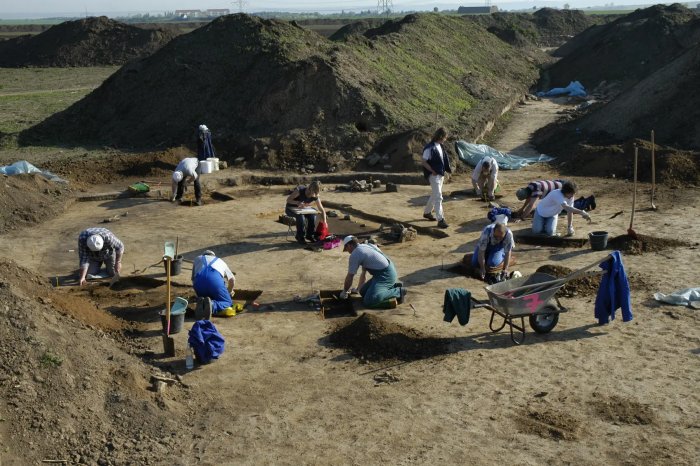
Strontium and oxygen isotope analyses in this study provide a chemical record of where individuals grew up and lived, helping researchers determine whether they were local or had migrated. Most individuals from Central Germany, both cremated and non-cremated, display local isotope signatures. This suggests that new ideas and practices spread mainly through contact and exchange, rather than large-scale migration.
Introduction Of Millet To Europe
Dietary evidence also highlights the flexibility of Late Bronze Age societies. During the early phase of the Late Bronze Age, people began consuming broomcorn millet (a crop that had recently arrived in Europe from northeast China), likely in response to environmental or economic pressures. This dietary shift did not coincide with evidence of large-scale demographic or genetic changes, suggesting that millet adoption occurred within existing communities. However, during the later phase of the Late Bronze Age, millet consumption appears to decline, with people returning to more traditional crops such as wheat and barley. This pattern points to experimentation, adaptation, resilience, and cultural preferences rather than a trajectory towards intensification in millet cultivation.
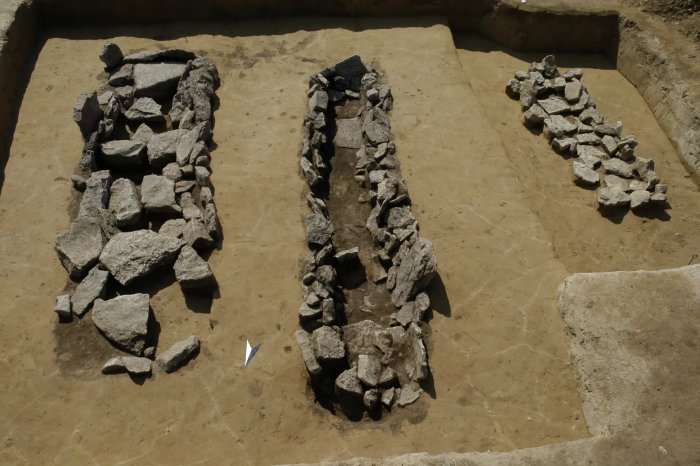
The researchers also looked for traces of ancient disease and combined this information with evidence from the people’s skeletons. They found DNA from bacteria commonly associated with oral health issues, such as dental disease, but no evidence of a widespread epidemic. Evidence of childhood stress, degenerative joint conditions, and occasional trauma points to physically demanding lives. Nevertheless, most individuals appear to have been in generally good condition.
Diverse Funerary Culture
The study also offers insights into a diverse range of mortuary practices, such as cremation, inhumation, skull-only depositions, and multi-stage rites, all of which coexisted within the same communities. “These practices do not appear to be marginal or atypical,” Orfanou explains, “but are part of a broader repertoire that people could choose from during the Urnfield period, linked to the creation of memory, identity, and ideas about what it meant to be a person in the Late Bronze Age.”
See also: More Archaeology News
By integrating archaeological, anthropological, genetic, and isotopic evidence, the study reconstructs Late Bronze Age societies as dynamic social worlds. “Change and innovation were incorporated into existing traditions. These communities actively shaped their lifeways and created hybrid practices that were locally meaningful within an increasingly interconnected world,” concludes Wolfgang Haak, leader of the project at the Max Planck Institute for Evolutionary Anthropology.
The study was published in Nature
Written by Conny Waters – AncientPages.com Staff Writer