

Jan Bartek – AncientPages.com – Archaeologists in Iraq’s Nineveh province have discovered a rare Assyrian stele dating to the reign of King Ashurbanipal. This discovery gives us new insight into the city’s achievements almost 2,600 years ago.
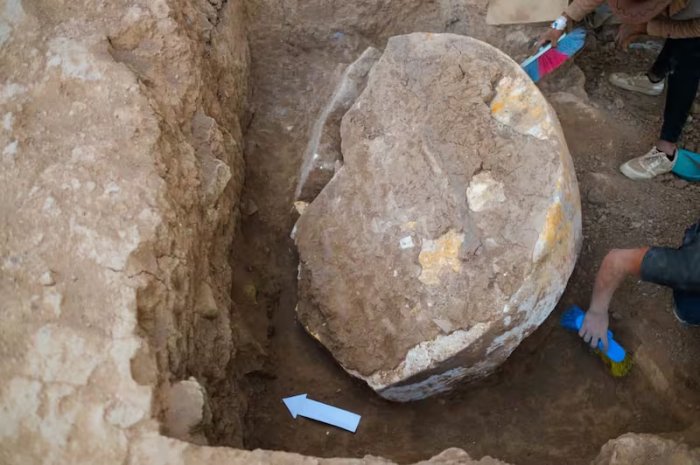
Archaeologists in Nineveh province, Iraq, have discovered a rare Assyrian stele. Credit: Iraqi Ministry of Culture
The Nineveh Department of Antiquities and Heritage said that an Iraqi-American team found the monument at the Shamash Gate. This important entrance in Nineveh’s eastern walls was damaged during ISIS occupation from 2014 to 2017.
The University of Chicago’s Institute for the Study of Ancient Cultures is working with Iraqi and international researchers to lead conservation and restoration at the site.
After Mosul was liberated in 2017, Iraqi authorities and international partners recorded damage, recovered stolen items, and restarted excavations. They have focused on restoring the Old City, the Mosul Museum, and important gates of Nineveh, including Shamash Gate.
The current Iraqi and American team is restoring sites damaged by war while also doing archaeological research. Officials say the stele was found during restoration work at places affected by the 2016-2017 conflict.
Shamash Gate was one of 18 entrances to Nineveh. Ancient records say King Sennacherib, who ruled from 705 to 681 B.C., built it. The gate linked the city to the east, along the road from Erbil.
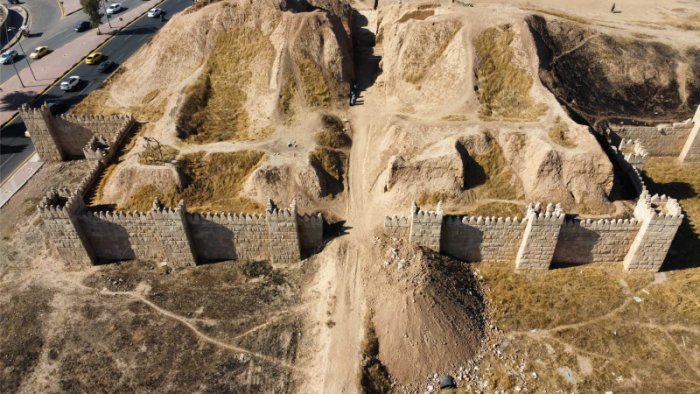
Aerial Photo of the Shamash Gate from the east. Credit: Timothy Harrison – CC BY 4.0
Inside the city, the road led to important royal and religious places, such as Nabi Yunis and the palace of Esarhaddon. This made the gate a key spot for travel, trade, and defense.
Researchers say the site holds evidence from two major conflicts: Nineveh’s fall to invaders in 612 B.C. and Mosul’s liberation from ISIS in 2017.
Archaeologist Ruwaid Muwaffaq said the stele marks construction projects carried out in Nineveh during Ashurbanipal’s reign from 668 to 627 B.C.
“This discovery is a significant addition to the record of archaeological finds that highlight the greatness of Assyrian civilization and its urban development,” Muwaffaq said.
Stone stelae were important ways for Assyrian rulers to communicate. They recorded royal orders, military wins, building projects, religious dedications, or acts of power meant to last for generations.
Muwaffaq called the stele “one of the most important artifacts that chronicles the achievements of one of the Assyrian Empire’s greatest kings.”
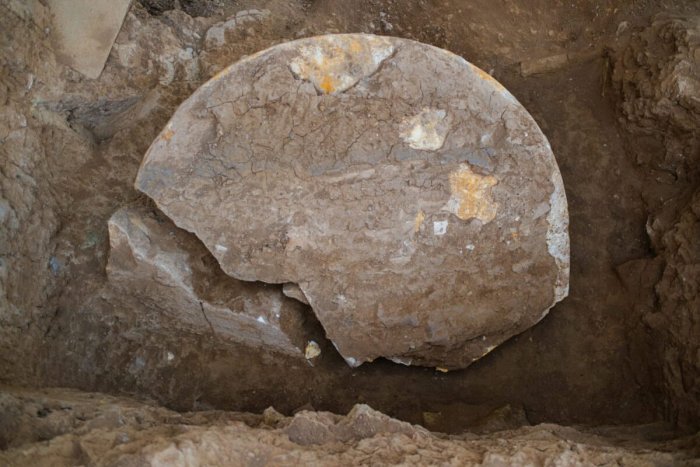
Credit: Iraqi Ministry of Culture
The stele is two meters tall and 1.55 meters wide. The cuneiform text has not yet been fully translated, but it likely describes building projects by King Ashurbanipal, who ruled Assyria from 668 to 631 B.C. He is shown in relief on the front, and two other Assyrian kings are on the back. Nineveh was later invaded and destroyed by the Medes and Babylonians in 612 B.C.
The artifact has been taken to the department’s headquarters for initial conservation. After that, it will be studied in detail, and the findings will be published.
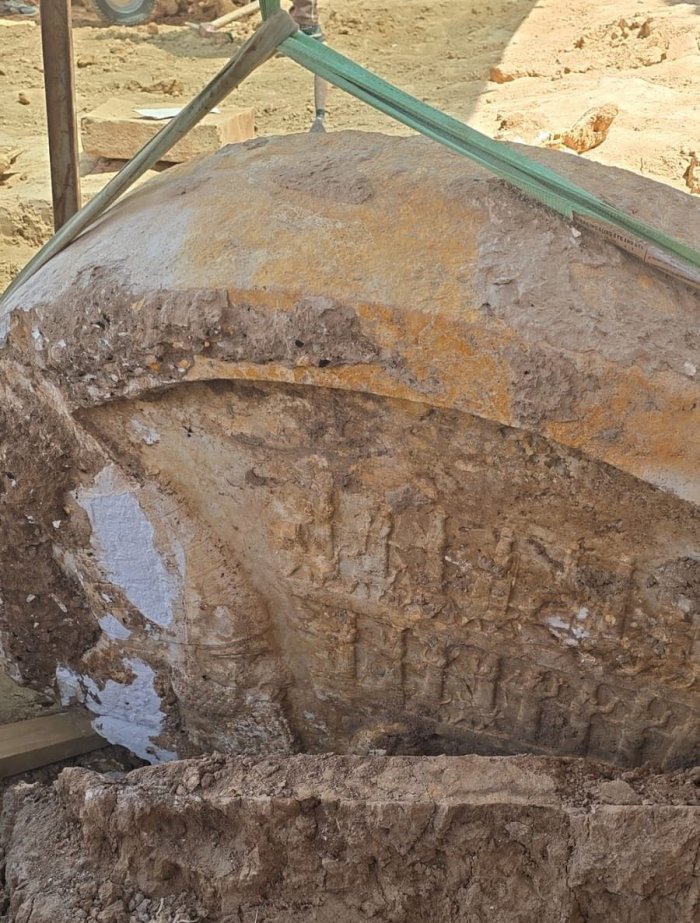
Credit: Iraqi Ministry of Culture
Nineveh was the capital of the Neo-Assyrian Empire and one of the largest cities in the ancient world. Under rulers such as Sennacherib and Ashurbanipal, it became a center of government, military power, and learning. Ashurbanipal is famous for creating one of the first known libraries, which held over 20,000 cuneiform tablets on history, literature, science, and religion.
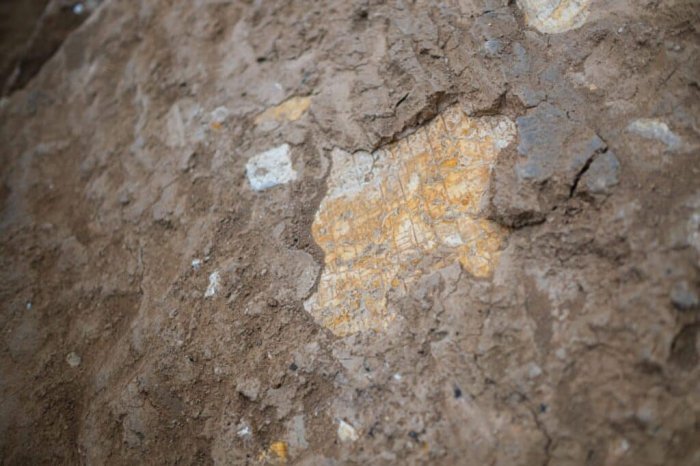
Credit: Iraqi Ministry of Culture
The stele’s inscriptions might provide further evidence of Ashurbanipal’s building projects, such as the expansion of city walls, temples, and palaces. These monuments served both practical purposes and the demonstration of royal power to people and visitors from other lands.
See also: More Archaeology News
For modern Iraq, this discovery is more than just an archaeological achievement. It reminds people of Nineveh’s place as a cradle of civilization and Mosul’s lasting role as a cultural crossroads on the Tigris River.
Muwaffaq said it highlights the civilizational and urban prosperity that Nineveh experienced in the Assyrian era. He added that it supports the idea that many of the city’s gates and historic sites hold royal monuments and important buildings.
Source: Iraq’s State Board of Antiquities and Heritage
Written by Jan Bartek – AncientPages.com Staff Writer